How to Buy a Fixer Upper: The Complete Beginner Playbook

Buying a fixer upper can build instant equity, create profit, or give you a custom home at below-market prices.
But it also comes with risks.
Underestimated repairs, bad contractors, financing delays, and surprise structural issues can turn a deal into a disaster.
After 8 years in real estate investment and 4 years of flipping houses personally, I've learned what separates profitable deals from money pits.
This guide walks through the complete process—from finding properties to closing—so you avoid the costly mistakes that trip up first-time buyers.
Why Buy a Fixer Upper?
Fixer uppers offer something turnkey properties can't: built-in equity.
You buy below market value because of deferred maintenance, outdated finishes, or functional issues.
After repairs, the property's value increases—sometimes by 20% to 40% depending on the market and scope of work.
For investors, that spread between purchase price and after-repair value is profit.
For homeowners, it's instant equity and a chance to create your dream home without paying retail.
The catch? You need to know what you're doing. Or work with people who do.
Step 1—Define Your Strategy
Before you start looking, decide what you're trying to accomplish.
Are you flipping for profit? You need speed, tight budgets, and strong resale comps.
Are you buying a rental property? Focus on cash flow, durability, and tenant appeal.
Are you buying a primary residence? You have more time but less capital, so budget carefully.
Your strategy determines:
How much you can spend. Flips need room for profit. Rentals need cash flow. Primary residences have tighter budgets.
What repairs make sense. Flips get high-end finishes. Rentals get durable, low-maintenance upgrades. Primary residences reflect personal taste.
What financing you'll use. Cash, hard money, FHA 203(k), conventional loans, or portfolio lenders.
What timeline you're working with. Flips need fast closings and quick rehabs. Rentals and primary residences can take longer.
Clarity here saves you from chasing the wrong properties.
Step 2—Get Your Financing Ready
Don't start looking until you know how you're paying for it.
Fixer uppers require different financing than turnkey homes.
Cash
Cash is the fastest and cleanest option.
No appraisals, no lender delays, no financing contingencies.
Sellers love cash buyers because closings happen in 14-21 days with near-zero fall-through risk.
If you have it, use it. If you don't, explore the options below.
Hard Money Loans
Hard money lenders finance based on the property's after-repair value (ARV).
They fund fast (sometimes within a week), close with minimal paperwork, and specialize in properties that need work.
Pros: Fast approval, works for uninhabitable properties, no long approval process.
Cons: High interest rates (10-14%+), short terms (6-18 months), points (2-5% of loan amount).
Hard money works best for flips or short-term holds.
Hard money loans for fixer uppers explains rates, terms, and how to qualify in detail.
FHA 203(k) Loans
FHA 203(k) loans let you finance both the purchase and repairs with a single mortgage.
They're designed for owner-occupants buying fixer uppers as primary residences.
Pros: Low down payment (3.5%), includes repair costs, competitive rates.
Cons: Slow (30-45+ days to close), requires FHA-approved contractors, lots of paperwork, property must be habitable after repairs.
This works for first-time homebuyers who want to renovate while living in the property.
Conventional Renovation Loans
Similar to FHA 203(k) but for buyers with stronger credit and larger down payments (5-20%).
Pros: Flexible contractor requirements, faster than FHA, includes repair costs.
Cons: Requires good credit, larger down payment, appraisal based on ARV.
Portfolio Lenders
Some local banks and credit unions offer portfolio loans—mortgages they keep in-house instead of selling to Fannie Mae or Freddie Mac.
Portfolio lenders have flexibility on property condition, loan terms, and borrower qualifications.
They're worth exploring if you don't fit conventional lending boxes.
Step 3—Find Properties
Now comes the hard part: sourcing deals.
The best fixer uppers come from multiple channels:
MLS searches. Use keyword filters like "investor special," "handyman special," "TLC needed," "sold as-is," or "estate sale."
How to find fixer upper homes covers MLS tactics in depth.
Off-market properties. Direct mail, driving for dollars, wholesalers, probate. Less competition, better deals.
Off-market fixer upper homes explains why off-market deals produce better margins.
Real estate agents who specialize in distressed properties. They see pocket listings and off-market inventory before it goes public.
Working with an agent to find off-market deals covers how to build these relationships.
Wholesaler networks. Get on buyer lists for consistent deal flow.
Wholesale real estate deals explains how to evaluate wholesale properties.
Most successful buyers work multiple channels simultaneously.
But here's my honest advice for someone starting from zero: don't get too into the weeds trying to hit volume yourself.
What you need to do is find one or a few top players who you trust and who you know actually know what they're doing.
Not just someone who wholesales houses or an agent who represents investors—it needs to be someone who IS an investor too.
That's why working with someone like The von Group is such a fantastic option.
We only work with investors. We source deals for our investors. We can help you find a contractor or even do the project for you with our contractor.
We have insane marketing that we do when we sell these houses that literally no other agents do. And we have a guarantee.
Step 4—Evaluate the Property
You found a property that looks interesting. Now you need to determine if the numbers work.
Pull Comps
Comps (comparable sales) tell you what the property will be worth after repairs.
Search for homes that sold in the last 3-6 months within 0.5 miles, match square footage and bed/bath count, and are in similar or better condition than your after-repair condition.
Your ARV (after-repair value) is the average of the best 3-5 comps.
Be conservative. Overestimating ARV is the #1 reason investors lose money.
Here's something most investors, almost all other wholesalers, and even most agents don't know: a comp 0.2 miles away could be selling for $200k more than your house solely because of the street it's on.
We know this because we actually flip houses.
We buy inside the perimeter and in the suburbs—anywhere within an hour of Atlanta. We know the neighborhoods and streets intimately.
We know exactly what a house can sell for and which finishes are in high demand in each area.
That knowledge matters.
Estimate Repairs
Walk the property with a contractor if possible. Note every repair needed.
Focus on big-ticket items:
Foundation: Cracks, settling, water intrusion ($5,000-$50,000+)
Roof: Age, leaks, damage ($8,000-$20,000+)
HVAC: Functionality, age ($5,000-$12,000+)
Plumbing: Leaks, pressure, drain function ($4,000-$15,000+ for repiping)
Electrical: Panel condition, wiring type, outlets ($5,000-$15,000+ for rewiring)
Then budget cosmetic work:
Kitchens: $8,000-$25,000+
Bathrooms: $3,000-$10,000+ each
Flooring: $3-$8/sq ft installed
Paint: $2,000-$5,000 whole house
Landscaping: $1,000-$5,000+
Always add 10-15% contingency for surprises.
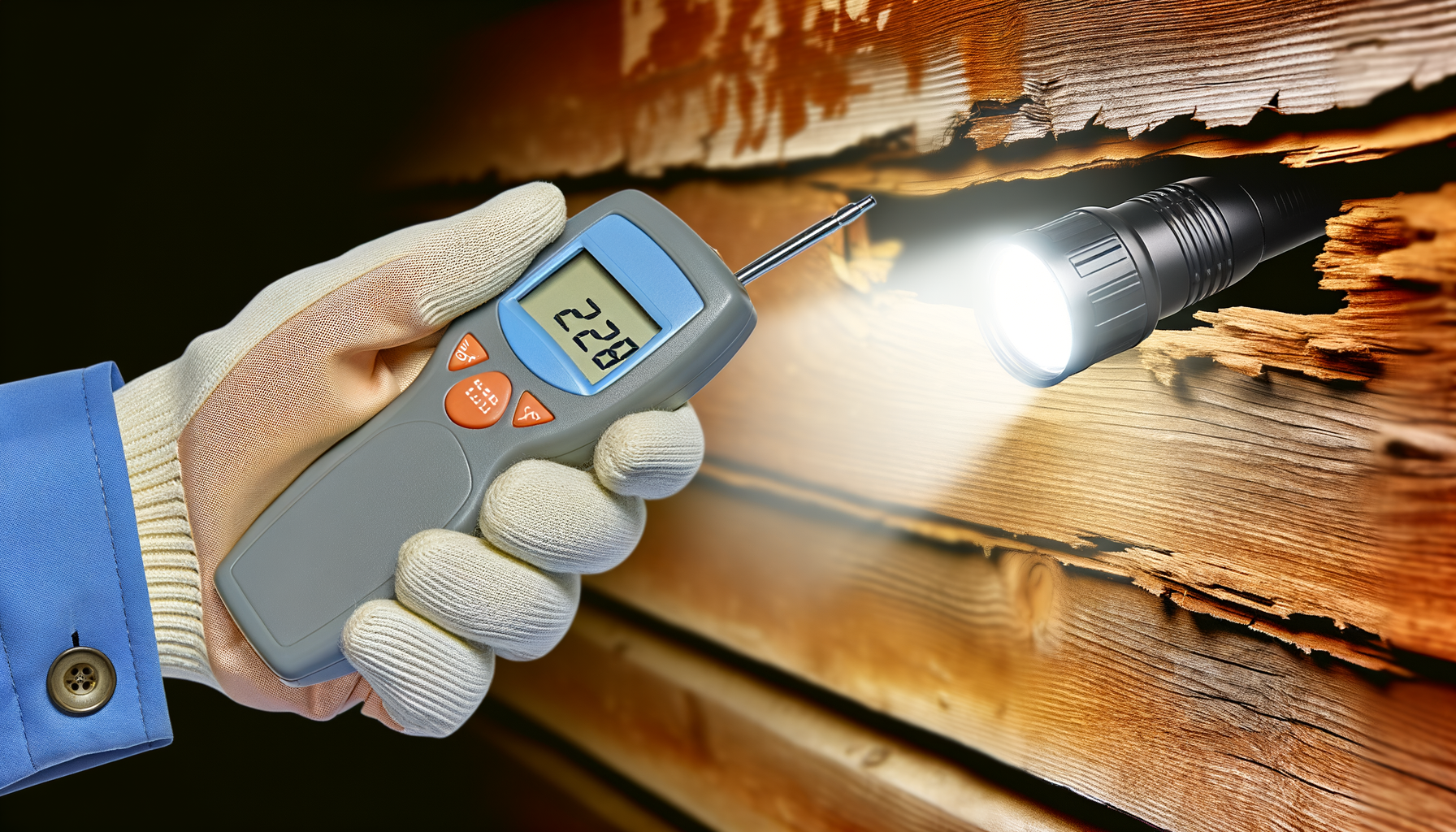
Bring an experienced contractor, inspector, or investor with you to the property. Check foundation, roof, HVAC, plumbing, electrical, and structure thoroughly.
Look for signs of water damage, foundation issues, and structural problems. Test major systems—turn on faucets, flush toilets, test HVAC, check breakers.
Run a Complete Profit Analysis
Don't use shortcuts. Calculate actual numbers by working backward from ARV:
Start with ARV (what the property will sell for after repairs)
Then subtract:
- Selling costs (6-7% for agent commissions, or $1,000 + 0.12% if using The von Group's guarantee)
- Staging costs ($2,000-$5,000)
- Closing costs on sale (1-2%)
- Rehab costs (detailed contractor estimates)
- Holding costs (interest, insurance, utilities, taxes for 4-6 months)
- Acquisition closing costs (title, insurance, lender fees)
- Purchase price
What's left is your net profit.
Then calculate cash-on-cash return:
Net profit ÷ total cash invested = ROI percentage
Example:
- ARV: $250,000
- Less selling costs (6%): -$15,000
- Less staging: -$3,000
- Less sale closing (1.5%): -$3,750
- Less rehab: -$50,000
- Less holding (6 months): -$8,000
- Less acquisition closing: -$3,000
- Less purchase price: -$125,000
- Net profit: $42,250
Cash invested: $125,000 + $50,000 + $8,000 = $183,000
Cash-on-cash return: $42,250 ÷ $183,000 = 23.1% in 6 months
Does that meet your investment criteria? If yes, proceed. If no, pass.
When you work with The von Group, we provide a complete estimated breakdown showing projected ARV, all costs, and estimated net profit.
You can verify with your own contractor or use our numbers to make your decision.
After 8 years and over 10,000 underwriting experiences, I can analyze a deal in 15-20 minutes.
When you start out, expect a full underwrite to take 60+ minutes or more.
Step 5—Complete Due Diligence Before You Commit
When you buy from The von Group or other off-market sources, you complete all due diligence before signing the contract.
There's no inspection period built into the agreement. You need to be 100% confident upfront.
Here's your due diligence checklist:
Walk the property thoroughly. Bring a contractor, inspector, or experienced investor.
Title contingency protects you. When buying from The von Group, our closing attorney handles title search and clears any issues.
We strongly recommend purchasing title insurance for additional protection.
For other sources, verify title during your due diligence period.
Verify zoning and permits. Make sure the property is zoned correctly and any past work was permitted.
Check for environmental issues. Mold, asbestos, lead paint, radon, or soil contamination.
Review HOA rules if applicable. Confirm fees, restrictions, and any pending assessments.
Estimate holding costs. Property taxes, insurance, utilities, loan interest while you own it.
If anything major shows up, you have two choices: walk away or renegotiate if possible.
But once you sign the contract with The von Group, you're committed (unless title issues arise that can't be resolved—then your deposit is protected).
Step 6—Make an Offer and Get Under Contract
If the numbers work and due diligence checks out, it's time to move forward.
For off-market deals or properties with The von Group:
Submit a signed contract. Review terms carefully: purchase price, closing date, as-is condition, financing requirements.
Provide a non-refundable deposit. Typically $5,000+ via cashier's check or wire transfer. This locks in the deal.
Confirm your financing. Have proof of funds or lender pre-approval ready.
Stay on timeline. Closing dates are firm unless title issues arise. Late closings can void the contract or cost you the deposit.
For MLS properties:
Write a competitive offer. Waive contingencies if you've already inspected. Cash or hard money beats financed offers.
Include an earnest money deposit. Shows you're serious. Typically 1-3% of purchase price.
Respond to counteroffers quickly. Fixer uppers move fast. Delays cost you deals.
Step 7—Close the Deal
Closing is the final step before you own the property.
Here's what happens:
Title company reviews title. When buying from The von Group, our closing attorney handles this and clears any issues.
You receive closing disclosure 3 days before closing. Review it carefully for errors or unexpected fees.
You wire funds or bring a cashier's check. Cash buyers pay the full amount. Financed buyers bring down payment and closing costs.
You sign documents. Purchase agreement, deed, lender documents (if financed), title insurance.
Keys transfer at closing. You officially own the property.
Closings for cash or hard money deals take 14-21 days. Financed deals take 30-45+ days.
Step 8—Execute the Rehab
Once you own it, the real work begins.
Hire a licensed contractor. Get multiple bids, check references, verify licenses and insurance.
Create a detailed scope of work. List every repair and upgrade. Include materials, labor, and timeline.
Set a budget and timeline. Most rehabs take 60-90 days for cosmetic work, 120+ days for major structural repairs.
Monitor progress weekly. Stay involved. Problems get expensive when they're ignored.
Pay contractors on milestones, not upfront. Never pay 100% before work is complete.
Common Mistakes First-Time Buyers Make
Even with a guide, mistakes happen. Here's what to avoid:
Underestimating repairs. Your guess will be wrong. Get contractor estimates and add contingency.
Overestimating ARV. Use recent comps in similar condition. Don't rely on Zillow or outdated sales.
Skipping thorough inspection. Always walk the property with an experienced eye before committing.
Ignoring holding costs. Budget for taxes, insurance, utilities, and loan interest while you own it.
Hiring the cheapest contractor. Low bids often mean corners cut or inexperience. Hire based on quality and reliability, not price alone.
Falling in love with the property. Emotion kills deals. If the numbers don't work, walk.
Not having an exit plan. Know how you're selling (flip, rent, live) before you buy.
Not researching the neighborhood. Study school ratings, job growth, sales trends, and development activity.
You can't fix poor market fundamentals.
Real Example: Why Experience Beats Guesswork
Let me show you why working with actual investors matters.
Our last flip at 5759 Albans Way in Lithonia, GA is a perfect example.
When we got it under contract, we shared it with our investors first to see if anyone wanted to buy it from us.
We believed the house could sell for $325k with the right marketing and the right renovation.
None of our investors thought it could sell for over $300k. They all said the renovation would cost $100k.
So none of our investors bought it from us. We bought it ourselves.
We spent $58k on our renovation (not $100k). The house was absolutely beautiful.
When we went on the market, we had about 18 houses active for sale in our neighborhood. Lots of competition, which is usually a bad sign for resale.
But we put our marketing—that we do for all of our investors who buy from us—to the absolute test on this house.
In 2 weeks on the market we had 4 offers, and sold for $354k.
We knew that price was high and it'd be tough for our buyer to be able to get an appraisal back that would say $354k is what the house was worth.
So we were able to leverage some of the things that buyer wanted us to fix after their inspection to get the buyer to waive their appraisal contingency.
When the appraisal came back at $345k, the buyer covered the difference and we closed at $354k.
Our marketing and our excellent finishes led to us literally selling a house for more than it was worth—in a market where most people's listings are sitting on the market and price dropping.
That's the difference between working with someone who actually flips houses versus someone just running numbers on a spreadsheet.
The von Group's $20,000 Profit Guarantee
When you buy a flip through The von Group, we guarantee you'll make at least $20,000 profit—or we'll list the resale for just $1,000 + 0.12% commission.
Standard listing fees run 2.5-3%. Our discounted structure protects your margins when they're tight.
We still recommend offering a buyer's agent commission (2.5-3%) for best results, but our seller-side costs stay minimal.
We've closed 150+ closings since January 2020 and understand what it takes to make flips profitable.
Why The von Group Makes Buying Fixer Uppers Easier
We only work with investors. We source deals for our investors.
We can help you find a contractor or even do the project for you with our contractor.
We have insane marketing that literally no other agents do—the same marketing that sold 5759 Albans Way for $354k in a competitive market.
And we have the $20,000 profit guarantee.
We're not just wholesalers or agents who represent investors. We ARE investors ourselves.
We flip houses, buy rentals, renovate properties, and sell them. We really know everything about the process of doing a fix and flip.
That knowledge separates us substantially from the competition.
How to find investment properties covers the 9 proven sources we use to generate consistent deal flow.
Ready to Buy Your First Fixer Upper?
The von Group specializes in off-market fixer uppers with built-in equity. We vet every property for profitability and provide transparent, first-come first-served pricing.
No bidding wars. No games. Just solid deals that close fast.
Get access to fixer upper properties here.
Need financing? Check our financing resources to connect with hard money lenders who close quickly.
Matthew von Dwingelo founded The von Group, a Georgia-licensed real estate brokerage (#H-81352) serving the Atlanta metro. Matthew has been active in Atlanta real estate since November 2017 — his team underwrites 50–100 properties per week and has closed 150+ investment property deals since 2020, specializing in off-market fix-and-flip opportunities sourced through direct agent relationships.